Choosing the China Best Paper Boxes for Packing Supplier requires more than comparing online prices. A suitable partner should understand box structure, printing quality, material strength, and delivery control. This guide examines how buyers can evaluate Paper Boxes For Packing manufacturers with practical, evidence-based methods.
Look beyond polished product photos. Request samples showing board thickness, flute direction, folding accuracy, and print registration. Test a sample box with the intended product inside. Check whether the corners remain firm after stacking and handling. Small details matter.
A dependable supplier should provide clear specifications, realistic production schedules, and traceable quality records. Buyers may also review factory experience, export history, communication speed, and available certifications. Independent inspections can support these claims. However, certificates should be verified rather than accepted without questions.
Price alone is not enough.
A low quotation may exclude tooling, inner inserts, shipping protection, or testing. Ask for a complete quotation with material grades, minimum order quantities, sampling fees, lead times, and replacement policies. Moisture resistance, recycled content, and responsible sourcing may also influence the final choice.
No supplier is perfect. Even an experienced factory can face color variation, delayed materials, or packaging damage. The important issue is how openly the supplier identifies risks and corrects them. This article offers a practical framework for comparing Chinese suppliers, balancing cost, appearance, performance, and long-term reliability. The best decision should fit the product, market, budget, and expected customer experience.
Paper boxes are packaging containers made from paperboard or corrugated fiberboard. They combine a light structure with useful protection. Unlike thin paper bags, they can hold shape during storage, display, and delivery.
Their uses vary widely. Folding cartons suit cosmetics, snacks, stationery, and small household products. Rigid paperboard boxes offer a stronger feel for gifts or premium items. Corrugated boxes protect heavier goods during shipping. The right choice depends on product weight, size, moisture exposure, and stacking pressure.
Paper boxes also support practical packaging applications. Printed panels can show instructions, product details, and handling information. Inserts can reduce movement inside the box. Die-cut windows may improve visibility, but they can weaken certain areas. I have seen attractive boxes fail because their corners were too soft. Small details matter.
A dependable supplier should discuss board thickness, flute structure, printing methods, and finishing options clearly. Samples should be checked for folding accuracy, surface damage, odor, and compression strength. Measurements must match the actual product, not an early estimate. That mistake is common.
Sustainable packaging needs careful judgment. Paper is not automatically the best option if the box uses excessive material or unnecessary coatings. Recyclability can also depend on local collection systems. I still review the complete design, including transport space and protective performance. A better box uses enough material, not simply more.
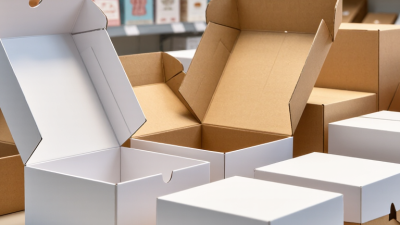
Chinese paper box suppliers commonly produce folding cartons, rigid setup boxes, corrugated mailers, kraft boxes, and die-cut paper packaging. Folding cartons suit cosmetics, food, and small retail products because they ship flat and reduce storage space. Rigid boxes use thicker paperboard and provide a firmer, premium feel. Corrugated mailers offer stronger edge protection for online orders. Kraft boxes are practical for brands seeking a natural appearance, while die-cut designs support unusual shapes and custom inserts.
Material selection should follow product weight, moisture exposure, stacking conditions, and printing needs. The FAO’s 2022 Forest Products report recorded global paper and paperboard production at roughly 417 million tonnes, showing the scale of this packaging sector. Smithers’ paper packaging market research also highlights continued demand for recyclable fiber-based formats. However, “recyclable” does not guarantee local recycling access. That detail is often missed.
A reliable supplier should provide paperboard specifications, compression testing, sample approval, and clear tolerances for size and color. Ask for caliper, grammage, coating type, and ink information. Check whether glued edges remain firm after transport simulation. Fit matters. A box can look excellent but still waste material or crush easily. Some suppliers offer attractive prototypes that do not match mass production. Require a pilot run, inspect random cartons, and record defects before confirming the full order.
China Best Paper Boxes for Packing Supplier?
Material choice shapes protection, appearance, and environmental performance. Kraft paper suits natural products and offers a strong, textured surface. White cardboard provides cleaner colors and sharper product images. Corrugated paper adds cushioning for heavier or fragile items. Recycled content can reduce resource use, but it may slightly change color consistency. That trade-off deserves honest testing.
Printing methods should match the box material and order quantity. Offset printing delivers detailed graphics and smooth color blocks. Flexographic printing works efficiently for larger runs and simpler artwork. Digital printing supports short runs, prototypes, and frequent design changes. Custom options include die-cut windows, magnetic closures, inserts, handles, embossing, and matte or gloss coatings. A dependable supplier should provide samples, material specifications, color proofs, and compression testing. Beautiful packaging can still fail if the corners collapse during transport.
Tips: Ask for a physical prototype before mass production. Check the paper thickness, folding accuracy, odor, and surface rubbing. Compare printed colors under daylight, not only on a screen. Confirm dimensions with the packed product inside. Small errors matter. Also review production tolerances and inspection procedures in writing. I would not choose a supplier from photographs alone; real samples often reveal weak folds or uneven printing.
| Box Type / Material | Typical Paper Specification | Recommended Products | Printing Methods | Customization Options | Performance and Sustainability Notes | Indicative MOQ Range |
|---|---|---|---|---|---|---|
| Folding Carton | 250–400 gsm folding boxboard; commonly coated on one or both sides | Cosmetics, food, pharmaceuticals, small consumer goods | Offset lithography Digital printing Flexographic printing | Die-cut windows, tuck ends, auto-lock bottoms, embossing, foil stamping, matte or gloss coating | Lightweight and efficiently shipped flat; uncoated or water-based coated versions are generally easier to recycle | About 1,000–5,000 pieces |
| Corrugated Shipping Box | Single-wall E, B, or C flute; approximately 3–7 mm board thickness | E-commerce parcels, electronics, household products, export shipping | Flexographic printing Digital printing Offset-laminated printing | Custom dimensions, inserts, dividers, handles, self-locking structures, tear strips, printed interiors | Offers better cushioning and stacking strength than folding cartons; recycled fiber content can be specified | About 500–2,000 pieces |
| Rigid Setup Box | Approximately 1.2–2.5 mm greyboard wrapped with 100–157 gsm printed paper | Gift sets, premium packaging, jewelry, electronics, luxury products | Offset lithography Digital printing | Magnetic closures, ribbon pulls, removable lids, foam or paper inserts, shoulder-neck structures, textured papers | Provides high perceived value and rigidity; uses more material and normally ships as a three-dimensional box | About 500–2,000 pieces |
| Kraft Paper Box | 250–450 gsm kraft paperboard or kraft-lined corrugated board | Natural food products, bakery items, apparel, handmade goods | Flexographic printing Offset printing Screen printing | One- or two-color artwork, grease-resistant lining, die-cut windows, rope or paper handles, custom inserts | Brown kraft gives a natural appearance; unbleached fiber and water-based inks support a lower-impact packaging specification | About 1,000–5,000 pieces |
| White SBS Paperboard Box | 250–400 gsm solid bleached sulfate paperboard with a smooth printable surface | Beauty products, healthcare items, premium food, retail packaging | Offset lithography Digital printing | Full-color graphics, spot colors, clear windows, embossing, debossing, foil effects, gloss or soft-touch coating | Good color reproduction and clean folding performance; recyclability depends on coatings, laminates, and attached materials | About 1,000–5,000 pieces |
| Duplex Paperboard Box | 250–450 gsm recycled or coated duplex board, often with a grey or white reverse side | General retail goods, hardware, household items, promotional packaging | Offset lithography Flexographic printing Digital printing | Printed logos, custom partitions, tuck flaps, hanging tabs, die-cut shapes, varnish or aqueous coating | Cost-efficient for standard packaging; board strength and surface whiteness vary by grade and recycled content | About 1,000–5,000 pieces |
| Paper Tube or Round Box | Spiral-wound paperboard, typically 1–3 mm wall thickness, with paper labels or printed wraps | Tea, candles, cosmetics, confectionery, posters, specialty gifts | Offset printing Rotogravure printing Digital printing | Metal or paper lids, pull tabs, internal trays, custom diameters, embossed wraps, printed end caps | Strong cylindrical structure and distinctive shelf presence; barrier layers may be required for moisture or grease resistance | About 1,000–3,000 pieces |
| Window Paper Box | 250–400 gsm paperboard with a transparent film or cellulose-based window | Bakery goods, confectionery, gifts, toys, displayed accessories | Offset lithography Flexographic printing | Window size and shape, tuck-top or sleeve structure, inserts, custom die cuts, printed inside panels | Improves product visibility; a plastic film window may need to be separated before recycling, while fiber-based windows can simplify disposal | About 1,000–5,000 pieces |
| Eco-Friendly Paper Mailer | Single-wall corrugated board or high-strength kraft paper, commonly 300–600 gsm equivalent | Apparel, subscription products, books, small e-commerce orders | Flexographic printing Digital printing | Peel-and-seal strips, tear-open strips, return strips, locking tabs, paper cushioning, custom size combinations | Designed for flat shipping and easy opening; fiber-based structures can reduce the need for plastic mailers | About 500–2,000 pieces |
| Common Finishing and Quality Checks | Material choice should match product weight, moisture exposure, stacking load, and shipping conditions | Applicable across most paper packaging formats | CMYK Pantone spot colors Water-based coating | Color proofing, dieline approval, sample making, barcode verification, compression testing, drop testing, moisture checks | Confirm food-contact requirements, recycled content, ink type, coating composition, and recycling instructions before mass production | Sampling is commonly available before production; final MOQ depends on size, material, printing, and finishing |
Note: Paper weight, board thickness, minimum order quantity, and available finishes vary according to box dimensions, structural design, printing coverage, coating requirements, and destination-market regulations.
China Best Paper Boxes for Packing Supplier?
To evaluate a paper box packing supplier in China, inspect capability before comparing price. The Smithers report, The Future of Paper Packaging to 2028, estimates the global market will exceed US$400 billion by 2028. This growth increases supplier competition, but not necessarily quality. Request factory videos, production samples, and recent inspection records. Check paper grammage, compression strength, moisture resistance, folding accuracy, and color consistency. A reliable supplier should explain tolerances clearly. Vague answers deserve caution.
Review the supplier’s quality system and traceability process. Ask how they control recycled content, ink migration, adhesive performance, and carton dimensions. For shipping boxes, require edge crush testing or box compression testing. For retail cartons, inspect die-cut edges under strong light. The Forest Stewardship Council’s market reporting also shows rising demand for responsibly sourced paper materials. Certification helps, but it does not replace batch-level inspection. That is an easy mistake.
Tips: Compare three samples using the same specification. Measure length, width, and height with calipers. Test one box after humidity exposure. Request a pre-production sample before mass production. Confirm payment terms, lead time, replacement policy, and export documents in writing. A cheap quotation can hide weak paper or excessive tolerances. No audit is perfect. Leave room for a second inspection, especially when packaging protects fragile products.
A practical supplier evaluation should prioritize product quality and customization capability, followed by order flexibility, compliance, delivery performance, and total cost. The percentages represent a recommended procurement scoring framework for comparing paper box packing suppliers.
A reliable ordering process begins with a detailed packaging brief. Specify box dimensions, paperboard thickness, printing colors, coatings, inserts, and closure styles. Share the actual product size, not an estimated measurement. Ask for a dieline and a physical sample before approving mass production. Confirm the minimum order quantity, production schedule, payment terms, and acceptable size tolerances in writing. Small omissions can create expensive revisions.
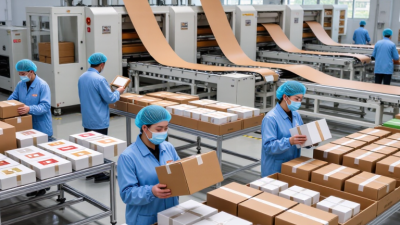
Quality control should cover more than appearance. Inspect paperboard strength, color consistency, folding accuracy, glue lines, and surface scratches. A practical inspection may include dimension checks, compression testing, and repeated opening tests. Request production photos and a final inspection report. Independent inspection is useful for large orders.
A perfect sample can mislead. I have seen attractive prototypes fail because their corners weakened after stacking. That risk deserves attention.
Shipping planning should begin before production finishes. Use moisture-resistant inner wrapping, strong export cartons, and clear carton marks. Confirm pallet requirements, carton weight, loading quantities, and shipping terms with the supplier. Sea freight usually costs less, while air freight may protect urgent launch dates. Allow extra time for port delays, document checks, and warehouse handling. Send the commercial invoice, packing list, and other required documents early.
Still, shipping estimates are not guarantees. A realistic buffer often prevents rushed decisions and damaged boxes.