Why Choose Foldable Paper Box for Your Packaging Needs?
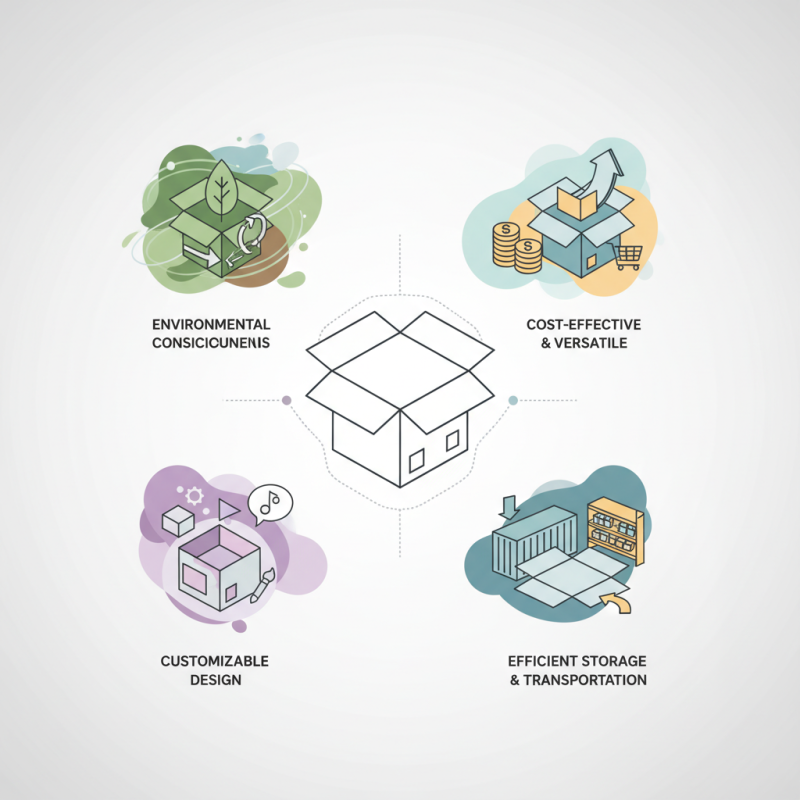
In today’s competitive market, choosing the right packaging solution can significantly impact your brand’s success. The Foldable Paper Box stands out as an ideal choice for many businesses. This innovative packaging option combines functionality with environmental consciousness. It is lightweight, cost-effective, and versatile, making it suitable for various products.
Utilizing a Foldable Paper Box can enhance your brand's image by emphasizing sustainability. Customers increasingly prefer eco-friendly packaging over plastic alternatives. Moreover, these boxes can be customized to meet diverse branding needs. The attractive design options allow businesses to showcase their unique identity. However, not all designs may resonate with the target audience. Careful consideration is essential in the design process.
Employing Foldable Paper Boxes also encourages efficient storage and transportation. They can be flat-packed, saving valuable space. Yet, it’s crucial to ensure the box maintains structural integrity during shipping. Companies must balance cost savings with product protection. In this evolving packaging landscape, the Foldable Paper Box presents remarkable potential, provided businesses reflect on their specific requirements.
Benefits of Using Foldable Paper Boxes in Packaging
Foldable paper boxes are increasingly favored for their practicality and sustainability in packaging. These boxes are made from materials that can be easily recycled and reused, aligning with eco-friendly practices. They offer versatility for various industries, from food to cosmetics. Their lightweight nature helps reduce shipping costs, making them an economical choice for businesses.
Tips for using foldable paper boxes include ensuring optimal designs that consider both aesthetics and functionality. Striking a balance between creative graphics and structural integrity is vital. A well-designed box can enhance brand appeal while keeping products safe during transit. Additionally, consider the size of your box carefully. Oversized packaging can lead to wasted material.
Paper boxes also provide an excellent surface for printing, allowing brands to communicate effectively. High-quality printing can make a box more engaging. Remember, not all paper types are created equal. Researching the right material can lead to better outcomes in durability and appearance. It may take time to find the perfect fit, but the effort is worth it. Emphasizing the wrong aspects can hinder the potential of your product presentation.
Sustainability and Environmental Impact of Foldable Paper Boxes
Foldable paper boxes are gaining popularity for their sustainability and minimal environmental impact. According to a recent study by the Paper and Packaging Board, paper packaging is 100% recyclable and biodegradable, making it a superior choice over plastic. Each ton of recycled paper saves 17 trees, 7,000 gallons of water, and reduces energy usage by 40%. This highlights how foldable paper boxes can significantly decrease resource consumption and waste production.
In 2022, the global demand for recyclable packaging materials rose sharply, by nearly 10%. As consumers increasingly value eco-friendly options, brands are prioritizing sustainable packaging. Foldable paper boxes not only meet this demand but also reduce carbon emissions during transportation due to their lightweight nature. Yet, the shift to paper packaging presents challenges. For instance, sourcing sustainable paper can lead to deforestation if not managed properly. Companies must therefore choose responsible suppliers to ensure genuine sustainability.
Even with advancements in eco-friendly technology, discoloration and moisture resistance remain concerns. The industry must innovate to overcome these limitations without relying on harmful chemicals. The urgency for sustainable packaging solutions will only grow, and the foldable paper box offers a promising path forward. Balancing performance with environmental responsibility is essential as businesses navigate this transition.
Cost-Effectiveness of Foldable Paper Boxes for Businesses
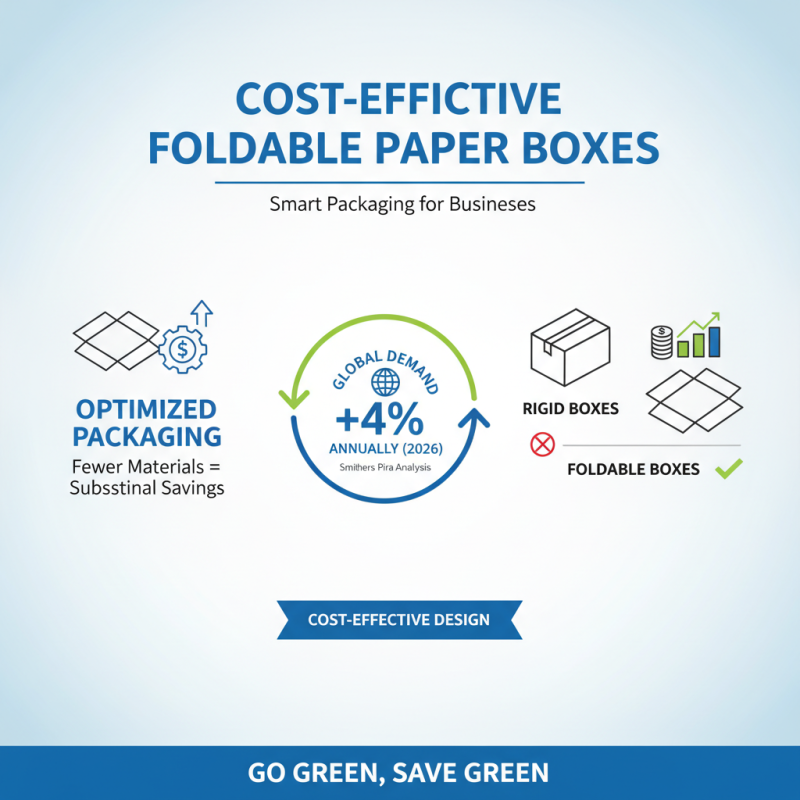
Foldable paper boxes are becoming a popular choice for businesses aiming to optimize their packaging. According to market analysis by Smithers Pira, the global demand for paper packaging is expected to grow by over 4% annually through 2026. This growth can be attributed to the cost-effectiveness of foldable designs. They require fewer materials compared to rigid boxes, resulting in substantial savings.
In terms of cost efficiency, foldable paper boxes significantly reduce shipping expenses. Research indicates that lighter packaging can lower transportation costs by nearly 20%. Additionally, the ability to flat-pack these boxes allows companies to maximize shipping space. This means fewer trips, which not only saves money but also reduces carbon footprints. Moreover, the flexibility in design enables businesses to utilize custom sizes, avoiding wastage.
However, while foldable paper boxes offer advantages, businesses must consider their durability. Not all boxes maintain structural integrity under stress, leading to potential product damage. Reflecting on feedback from the industry highlights the importance of selecting high-quality materials. Companies should balance cost with the need for reliable packaging solutions. Careful consideration of these aspects can establish a more efficient supply chain and enhance overall business sustainability.
Versatility and Customization Options in Foldable Paper Packaging
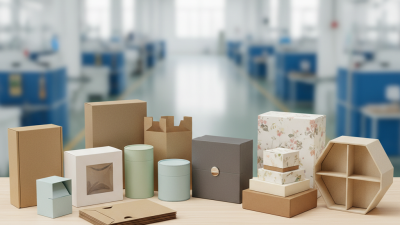
Foldable paper boxes offer remarkable versatility when it comes to packaging. They can adapt to various shapes and sizes, making them ideal for different products. Whether you need boxes for cosmetics, food, or electronics, foldable paper packaging can meet these needs. Their ability to be customized in design, colors, and prints adds a unique touch to your brand's packaging. This customization fosters a connection with consumers, making your product stand out on the shelf.
Moreover, foldable paper boxes are an environmentally friendly option. Many manufacturers focus on sustainable materials, appealing to eco-conscious customers. Brands can promote their commitment to sustainability while providing functional packaging. However, the challenge lies in ensuring the strength and durability of these boxes. The balance between aesthetics and functionality requires careful consideration. It’s important to reflect on how these materials hold up with the logistics of shipping and storage.
Investing in foldable paper boxes encourages creativity and innovation. Many businesses explore unconventional designs that capture attention and encourage purchases. Experimenting with different styles can lead to impressive results. Yet, not all designs guarantee success. Regular evaluations and consumer feedback are crucial to fine-tune the packaging approach. Finding the right combination of style and practicality can be a learning experience, leading to improved packaging strategies.
Why Choose Foldable Paper Box for Your Packaging Needs?
Comparative Analysis: Foldable Paper Boxes vs. Other Packaging Solutions
When assessing packaging solutions, foldable paper boxes stand out in various comparative analyses. Industry reports show that these boxes are not only lightweight but also highly customizable. They can be designed to fit the specific dimensions of the product, minimizing waste. According to a Smithers Pira report, the global demand for paper-based packaging is expected to reach 400 million tons by 2025. This highlights the growing preference for sustainable packaging options.
In contrast, rigid boxes require more materials and are often bulkier. They take up more space during shipping, leading to increased transportation costs. A study from the Packaging Association indicates that paper boxes can reduce carbon footprint by 30% compared to plastic alternatives. Folding paper boxes can also minimize storage space effectively. However, they may not provide the same level of protection for fragile items as rigid counterparts do. This is a key area where businesses need to evaluate their specific needs carefully.
Consumer preferences are shifting toward sustainable options. Yet, there is a need for balance. Not all products are suitable for foldable designs. Some industries may face challenges with durability or moisture resistance. This necessitates an informed choice based on the product's requirements. Ultimately, businesses must weigh the benefits of foldable paper boxes against their specific packaging challenges.